
Galvanised pipes and drinking water quality
What you need to know about galvanised pipe
Galvanised pipes have not been installed to carry drinking water since the mid-1970s. The metal can react with drinking water and rust, causing
water quality issues, brittle pipes and aecting water pressure. Galvanised pipes should be replaced with modern plumbing materials.
How does galvanised pipe affect drinking water
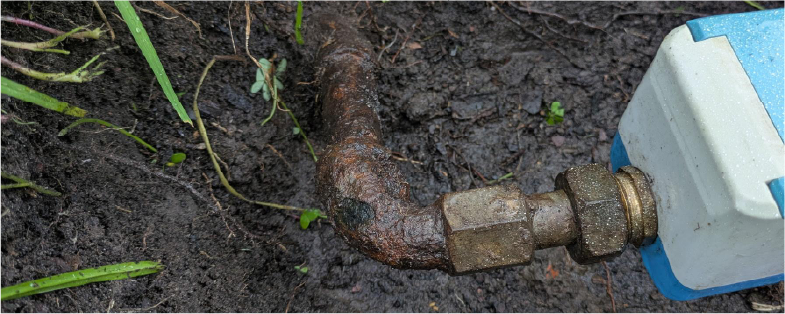
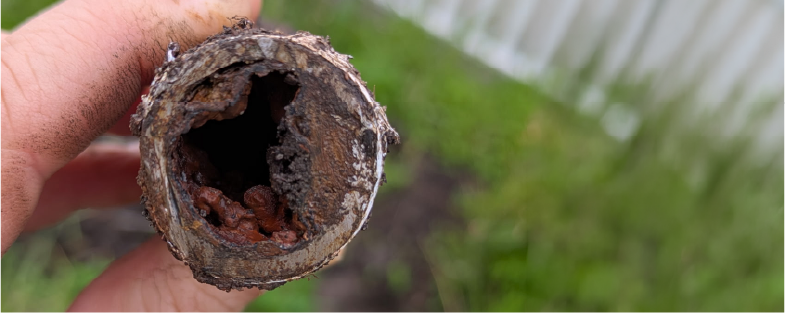
Galvanised pipes are steel pipes that are coated with zinc. These types of pipes were commonly used in homes built before the 1970s. The zinc coating was applied to protect from rust, however if the zinc coating is scratched or worn away, rust can develop and expand.
As galvanised pipe ages, it can rust and break down reacting with tap water and causing it to appear brown, yellow or rust-coloured and giving it an unpleasant metallic taste. Bad corrosion can lead to reduced water pressure and can stain toilets and laundry.
Whose responsibility is it to replace galvanised pipes?
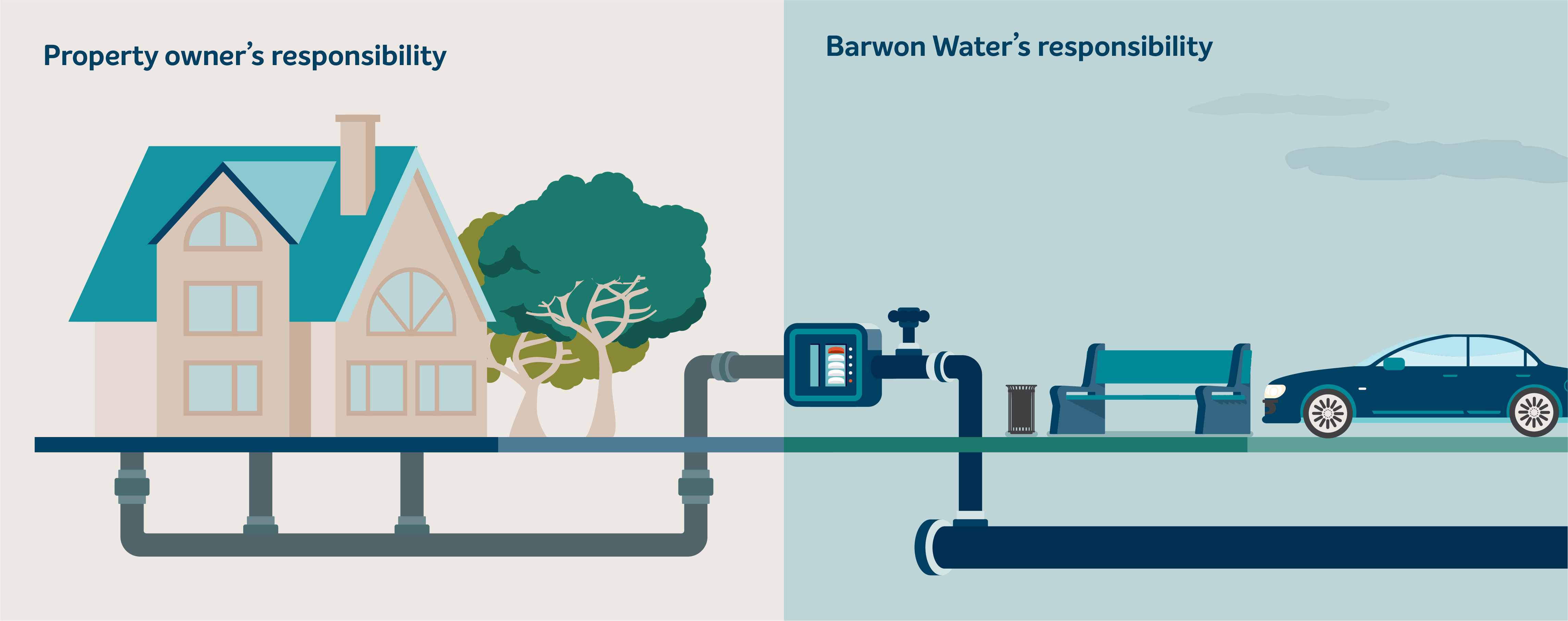
Barwon Water is responsible for the water meter and the water supply pipe up to the water meter.
Property owners are responsible for maintaining and repairing all plumbing and pipes beyond the water meter, including underground pipes, garden taps, internal fixtures and water tanks.
Your water meter should always be kept clear and accessible, with at least 25 mm of clearance around all sides for reading and maintenance.
Who is responsible for fixing leaks?
Both Barwon Water and property owners are responsible for ensuring we protect the system that serves us and ensuring that water is not wasted.
Barwon Water owns and is responsible for water source infrastructure up to and including the maintenance of the water meter. Property owners are responsible for maintaining easy access to the water meter and are responsible for any pipes, fittings and fixtures up to the sewer connection point.
To learn more visit Customer leaks
What to do if you have galvanised pipes
Short-term measures, such as running the tap for one to two minutes before using water or installing a tap filter, may temporarily improve water quality. However, filters will require ongoing maintenance and regular replacement.
The only long-term solution is to replace the old pipes with modern plumbing materials that meet Australian standards. We recommend contacting a local plumber. Any costs associated with engaging a plumber are your responsibility.